No products in the cart.








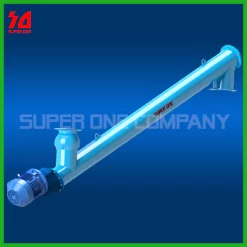


How do screw conveyors work? A detailed explanation of the principles from A to Z is essential for understanding how these devices transport powdered, granular, or loose materials using a helical rotation principle. Screw conveyors are widely applied in many industries due to their simple structure and efficient operation. This article will specifically analyze how screw conveyors work, detailing their operating principles from A to Z. Learn more and contact SUPER ONE, a leading and reputable fabricator of screw conveyors, for expert support and long-term investment efficiency.
How does a screw conveyor work? A detailed explanation of its principles from A to Z.
1.1. Detailed structure of the screw conveyor
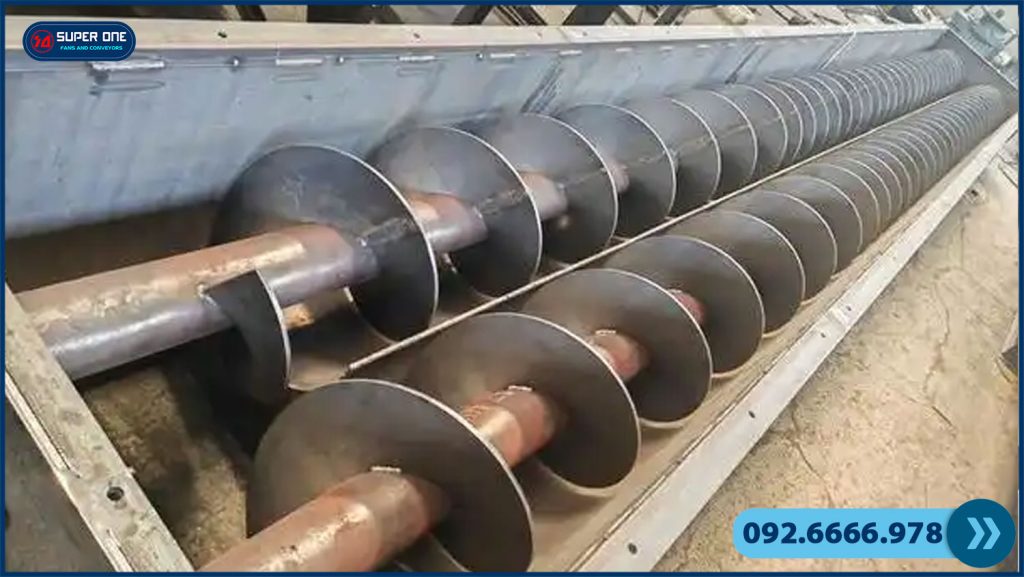
A standard screw conveyor system consists of the following main components:
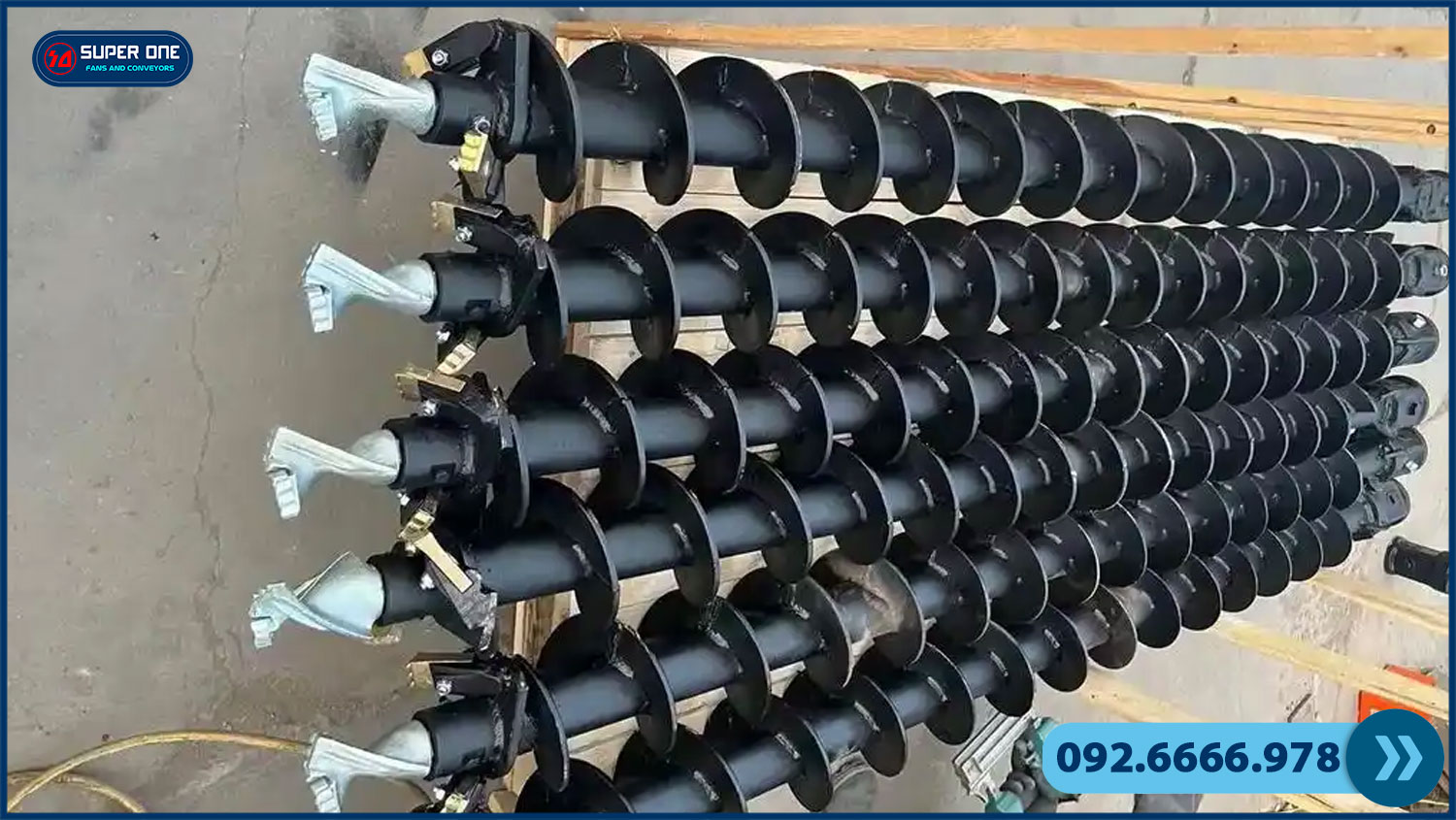
Screw shaft
It is the central component, responsible for transmitting power from the motor to the entire system.
Flight
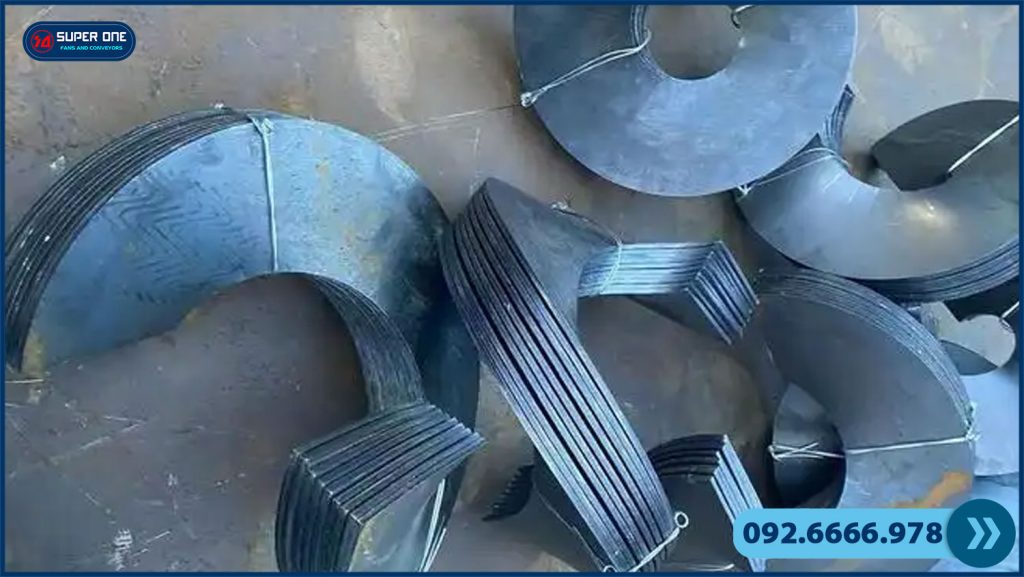
The blades are spiral-shaped around the axis, and their function is to push the material to move along the length of the screw.
Screw housing (Trough or tube)
The outer casing helps to guide the material and minimize its release into the environment.
Motor and gearbox
Providing rotational force at the appropriate speed ensures stable system operation.
Bearings and ball bearings
Keeping the shaft fixed reduces friction and increases durability during continuous operation.
1.2. Operating principle of screw conveyors
The operating principle of a screw conveyor is quite simple but effective:
When the motor is running, it transmits power to rotate the screw shaft, causing the screw blades to rotate accordingly. This pushes the material along the chute or pipe from the inlet to the outlet.
Detailed operating mechanism:
- The screw generates thrust through friction with the material.
- The material does not rotate along the axis but slides along the trough.
- The material flows continuously in a spiral motion.
Imagine it as a large “screw” pulling the material in a spiral motion.
2.3. Common operating modes
Horizontal transport
- Highest performance
- Less material waste
- Most popular applications
Inclined transport
- Angle < 45°
- Performance decreased slightly.
Vertical transport
- Specialized design is required.
- Suitable for specific systems
If you understand how screw conveyors work, including the detailed principles from A to Z, and want to make a cost-effective investment, please contact SUPER ONE immediately to receive expert advice based on your specific needs.
Practical applications of screw conveyors in various industries.
Thanks to its simple yet effective operating principle, screw conveyors are widely used:
- Agriculture & Animal Feed: Transportation of corn, soybeans, and industrial feed.
- Construction: Transporting cement, sand, and concrete mortar.
- Application: Sludge transport in wastewater treatment systems (typically using a screw conveyor).
- Food & Pharmaceuticals: Transporting flour, sugar, and granular foods (requires 304/316 stainless steel).
At SUPER ONE , we have supplied hundreds of screw conveyors to factories of all sizes, always ensuring that our products perfectly match the material properties of our customers.
SUPER ONE – A supplier of high-quality, reasonably priced screw conveyors.
SUPER ONE is a reputable company in the industrial mechanical engineering field, specializing in the design, fabrication, and supply of screw conveyor blades, screw conveyor shafts , helical screw conveyors, and centrifugal fans according to customer requirements. Thanks to the combination of practical experience and modern fabrication capabilities, SUPER ONE is increasingly establishing itself as a reliable partner for many businesses.
Specializing in industrial screw conveyors.
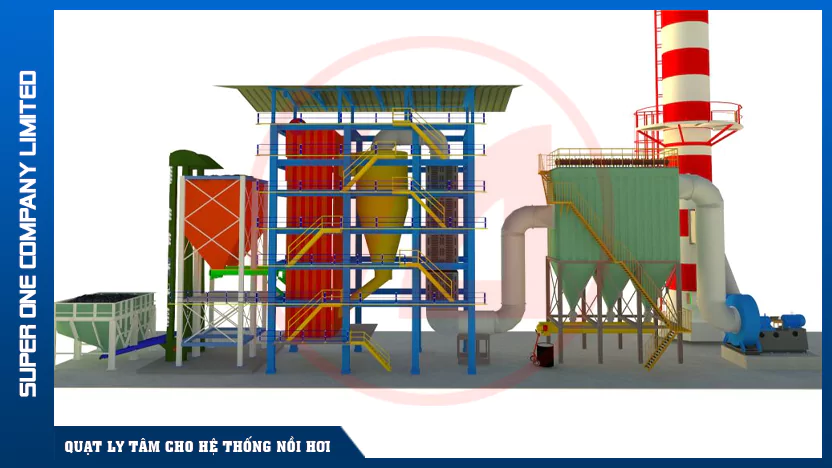
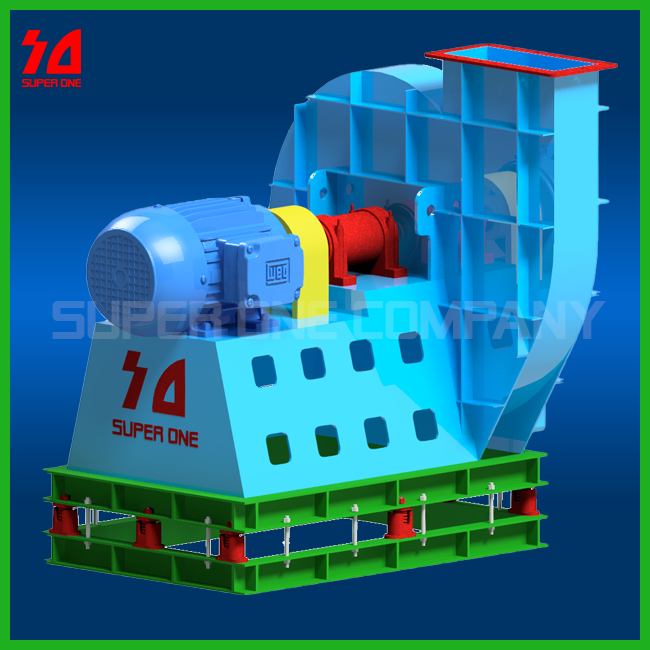
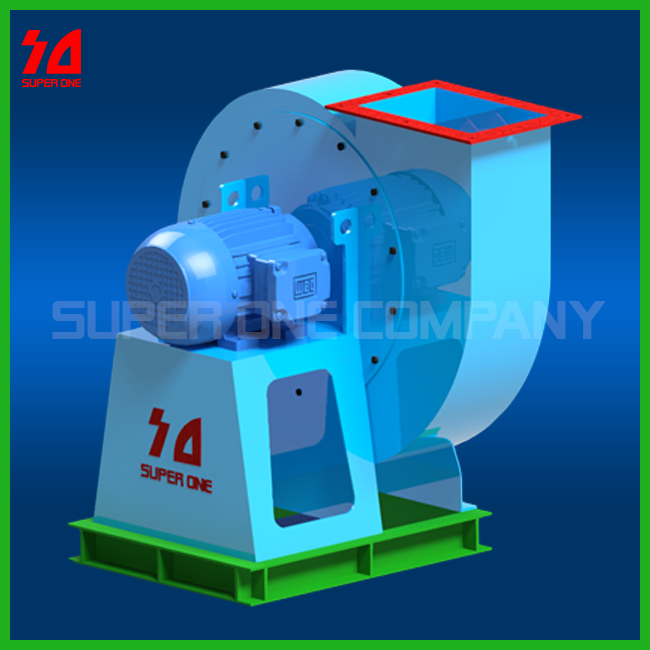
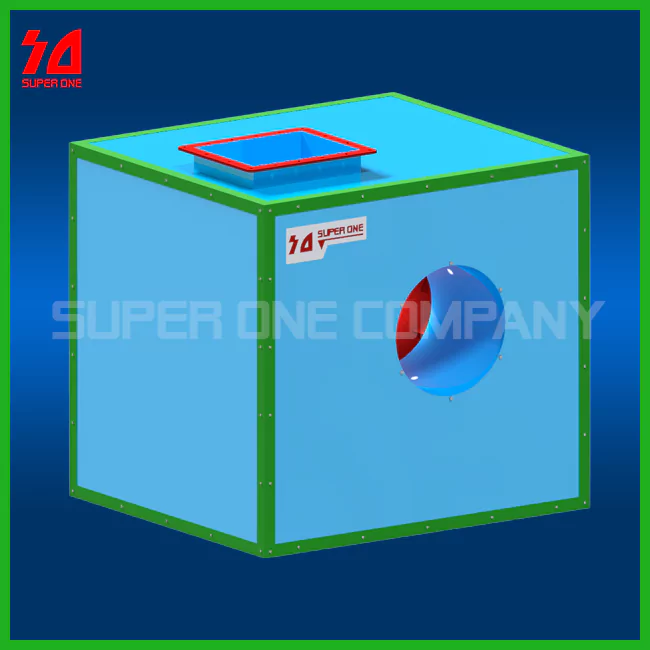
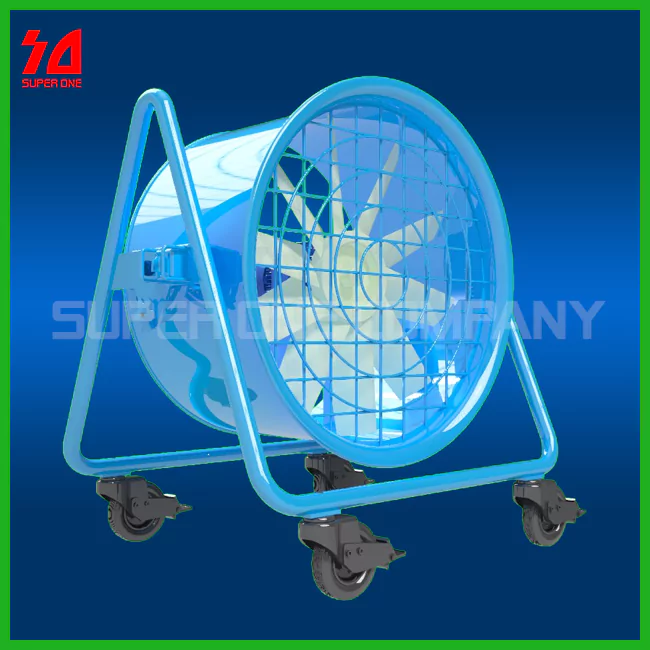
SUPER ONE focuses on developing a diverse range of products, from screw conveyors to industrial centrifugal fans, meeting various needs such as material handling, feeding, and air suction/supply in boiler systems and industrial production.
The product quality meets high standards.
The company applies a rigorous quality control process from design to production, ensuring that every product meets high standards before leaving the factory, contributing to stable and durable operation.
Custom manufacturing – optimizing each system.
SUPER ONE offers a wide variety of products:
- Seamless screw conveyor blades, welded screw conveyor blades
- Screw conveyors of various sizes
- High-capacity, shaftless, spiral screw conveyor
- Centrifugal fans with a wide range of power capacities.
Suitable for industries such as construction, food, agriculture, chemicals, etc.
SUPER ONE offers custom manufacturing based on specific drawings, ensuring products are tailored to each material and system, helping businesses optimize operational efficiency and minimize technical risks.
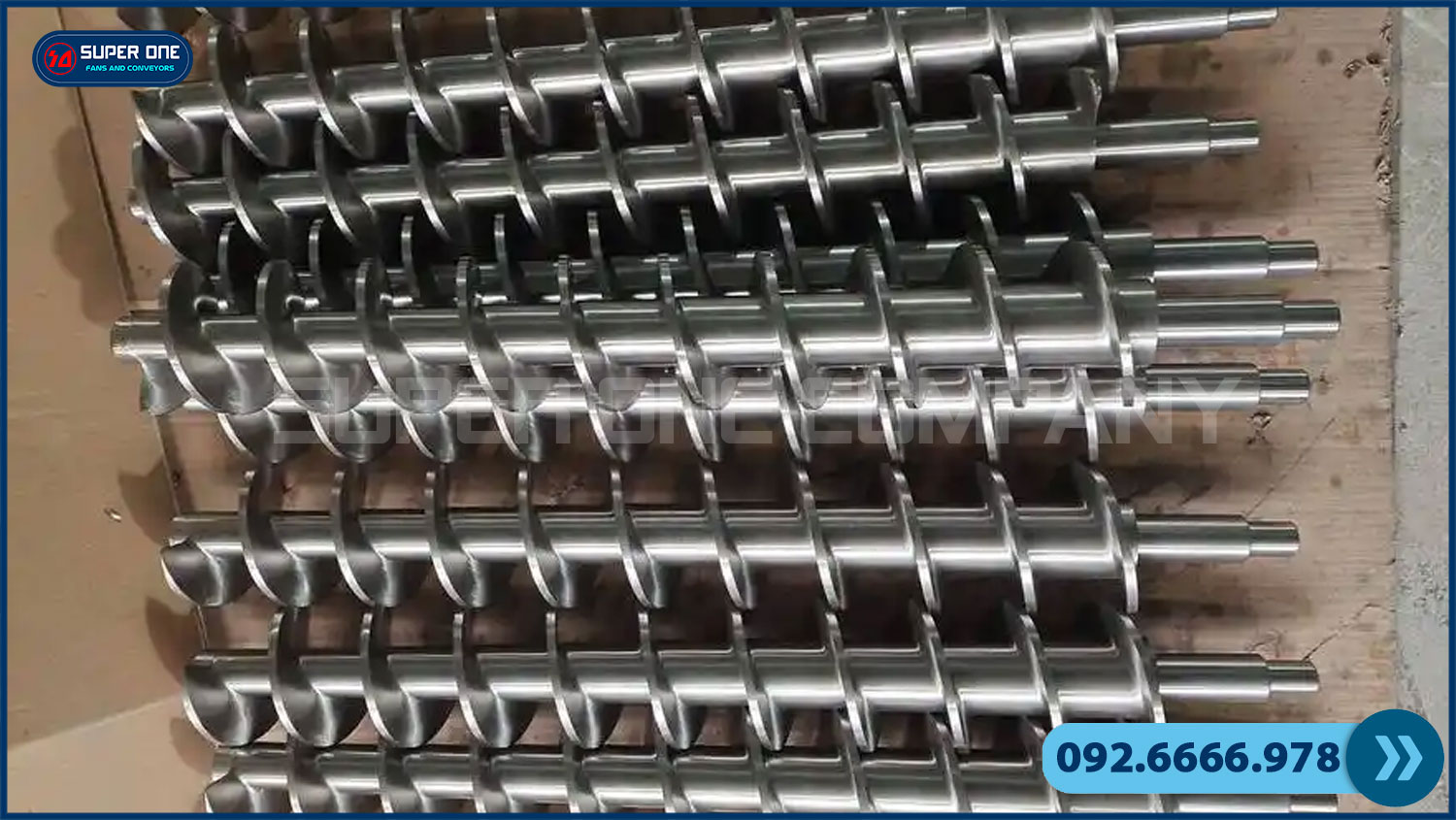
Modern manufacturing technology, high precision.
The company has invested heavily in modern production lines and equipment, which helps improve machining accuracy, increase productivity, and ensure consistent quality.
Experienced technical team
With a team of experienced engineers, SUPER ONE is capable of providing detailed advice on how screw conveyors work, suggesting solutions tailored to specific needs, and helping customers choose the right equipment from the outset.
Optimizing costs and investment efficiency.
With the motto “Precision Machining – Cost Optimization,” SUPER ONE helps customers save budget through:
- Competitive pricing: Thanks to direct factory production, eliminating intermediaries.
- Reduced operating costs: Precisely manufactured products save energy, minimize breakdowns, and extend maintenance cycles.
Frequently Asked Questions about the Operating Principle of Screw Conveyors
Why can’t screw conveyors transport materials with a very large natural angle of repose?
Because materials with large angles of repose (natural slope > 50°) are often fibrous, sticky, or have very high internal friction, the thrust force of the screw blades is insufficient to overcome this friction. In this case, a short-pitch screw conveyor (P = 0.5-0.6D) should be used, or a belt conveyor should be switched to.
Is it possible to reverse the rotation of the screw conveyor to transport goods in the opposite direction?
It’s possible, but the design needs to be modified. Most screw conveyors are designed to rotate in one direction only (in the direction of the screw blades). Rotating in the opposite direction will cause the material to accumulate at the inlet, potentially causing blockages. Some special designs allow for reverse rotation, but require symmetrical screw blades.
CÔNG TY TNHH SUPER ONE – CHẤT LƯỢNG ĐẶT LÊN HÀNG ĐẦU
Mã số thuế: 0317648431
Email: Superone.com.vn@gmail.com
Hotline: 0926666978
Zalo: 0363196420
Whatsapp: +84363196420
Địa chỉ xưởng: Số 380 QLN2, Ấp 4, Thạnh Lợi, Tây Ninh (Long An cũ)